

Can You Sublimate on Cotton? Real Answers + Better Alternatives (Wichita Guide)
The short answer is that standard sublimation requires a polyester or polymer coating, making plain cotton incompatible.
In this Wichita-focused guide from U.S. Logo, learn why that is, what workarounds exist, and when you’re better off choosing screen printing or DTF for cotton tees.
Need quick recommendations? Call (316) 264-1321 or contact U.S. Logo.
Visit us at 520 N West St, Wichita, KS 67203.
The Short Answer
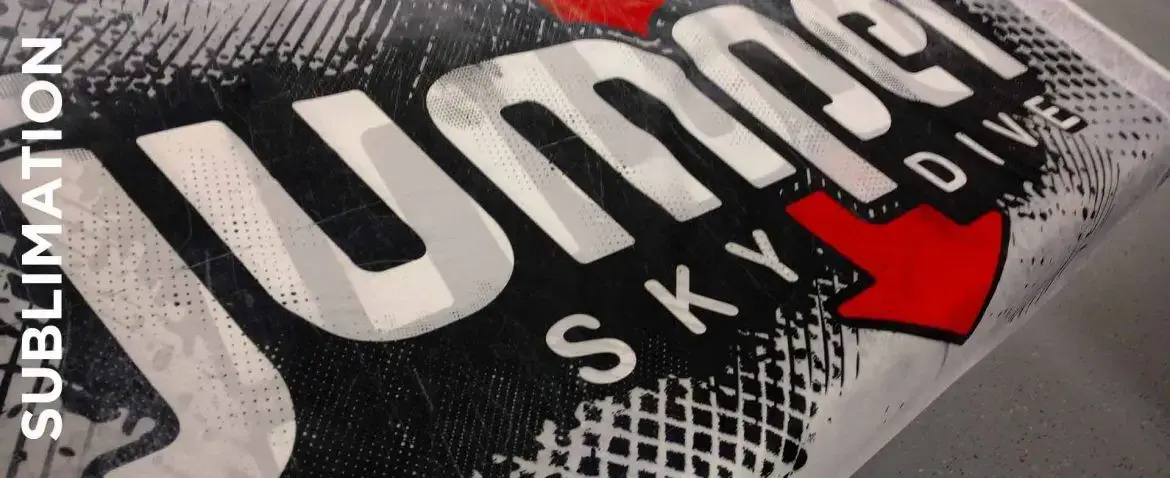
Traditional dye-sublimation bonds with polyester fibers or polymer-coated surfaces, not bare cotton.
If your must-have garment is cotton, we recommend Screen Printing for bold graphics or DTF/printed transfers for full-color on dark tees.
We’ll steer you to the best method for your art, budget, and deadline.
Why Sublimation Needs Polyester
Under heat and pressure, sublimation inks turn into gas and diffuse into open polymer pores. Cotton lacks those polymer sites, so dyes don’t anchor, colors wash out.
Polyester (or a polymer coating) locks color inside the material, producing a permanent image with a soft hand.
Background primer: dye-sublimation printing.
Cotton Workarounds (What Actually Works)
1) Sublimation-Capable HTV/Film Carriers
Print your design with sublimation ink, then press it onto a polymer film designed to accept sublimation. The film bonds to the cotton shirt, and the dye bonds to the film.
Result – vivid color on cotton with a thin film feel. Great for small runs, names, and multi-color logos.
2) Polymer Coatings/Pre-Treated Blanks
Some cotton items are pre-coated or can be treated with polymer solutions. Results vary by chemistry and application; durability can be good, but it is rarely as permanent as genuine polyester.
We test samples before approving production.
3) Choose Another Method for Cotton
- DTF / Printed Transfers – Photo-quality on dark cotton with a soft, flexible hand.
- Screen Printing – Best value for volume; bold spot colors and Pantone matches.
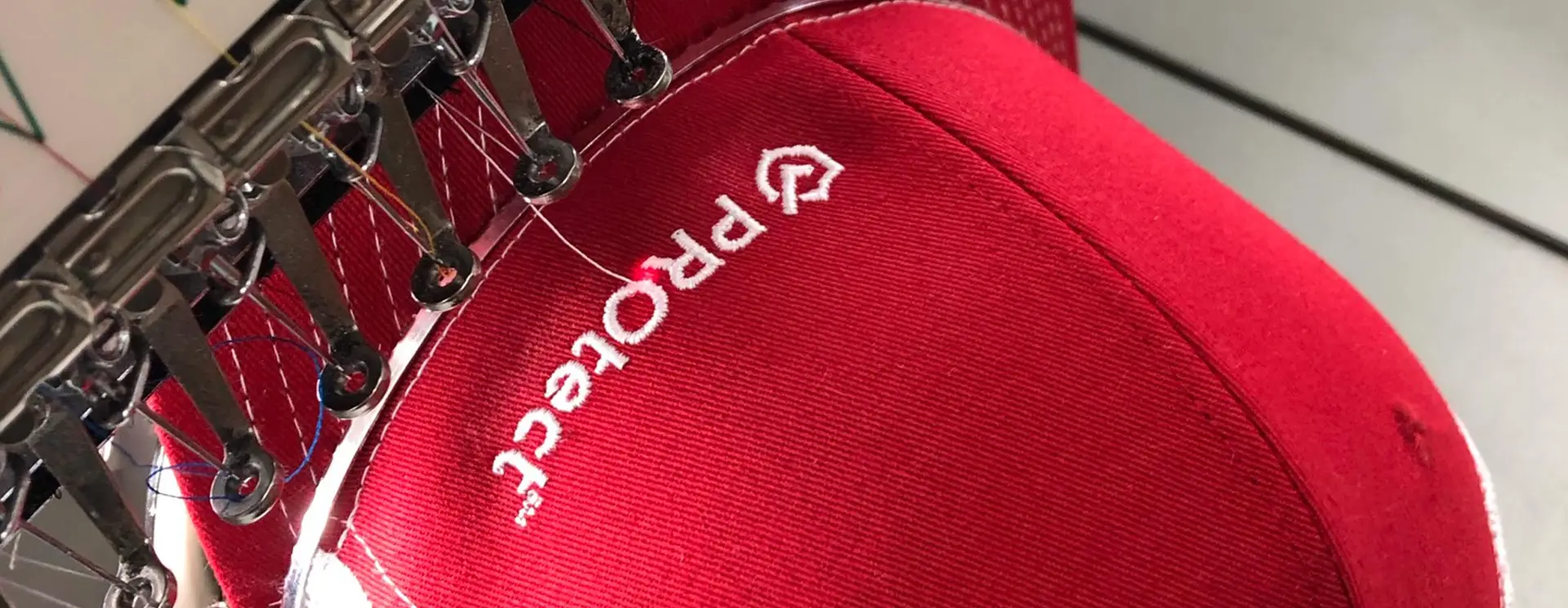
- Embroidery – Premium logo look for polos, hats, and jackets.
Explore methods in our Apparel Decoration overview.
Durability & Feel: What to Expect
- True Sublimation on Polyester – Becomes part of the fibers; won’t crack or peel; softest hand.
- Film/HTV Workarounds on Cotton – Excellent color; thin surface film that flexes; longevity depends on film quality and care.
- DTF on Cotton – Rich color on darks; flexible polymer layer; strong durability with proper wash care.
- Screen Printing – Long-wear with proper cure; hand feel depends on ink coverage and chemistry.
Decision Tree: Cotton Project Planner
Ask 3 questions….
- Garment color? Dark cotton → lean DTF or screen print. Light cotton → film workaround or screen print/water-based.
- Artwork style? Photo/gradients → DTF/film; bold logos → screen print or embroidery (for polos/jackets).
- Quantity & deadline? Small/rush → DTF/film; larger runs → screen print value wins.
Not sure? Contact U.S. Logo, we’ll recommend the correct method and blank.
Care Tips for Hybrid Prints
- Wash inside out in cold water with mild detergent; avoid using bleach and harsh spot removers.
- Tumble dry on low or hang dry; high heat ages films and inks more quickly.
- Avoid ironing directly on the graphic; use a cloth barrier or iron inside-out on a low setting.
FAQ
Can you sublimate on 50/50 cotton-poly tees?
Color will be softer and less permanent than on 100% polyester. For bright, durable results on blends, consider screen printing or DTF.
Does a coating spray make cotton “sublimation-ready”?
Some coatings are helpful, but results vary depending on the product and application. We test before production and set expectations on feel and wash performance.
What’s the best option for full-color art on dark cotton?
DTF/printed transfers deliver excellent detail and color, typically with better durability than most cotton sublimation workarounds.
Is film-based cotton sublimation stiff?
Modern films are thin and flexible, though not as “in-the-fiber” soft as true polyester sublimation.
Can you mix methods on one order?
Absolutely, e.g., screen-printed backs for volume, DTF left-chest for photo detail, or embroidery on polos with printed tees for events.
External Resource
For process basics, see dye-sublimation printing.