

What Designs Work Best for Heat Press Printing? (Wichita Guide to HTV, DTF & Transfers)
Heat press printing shines for short runs, personalization, and specialty effects. This Wichita-focused guide from U.S. Logo explains which designs are perfect for HTV, DTF, and printed transfers, and when another method may be smarter.
Have art ready or need help? Call (316) 264-1321 or contact U.S. Logo.
Visit us at 520 N West St, Wichita, KS 67203.
The Short Answer: Best Heat Press Designs
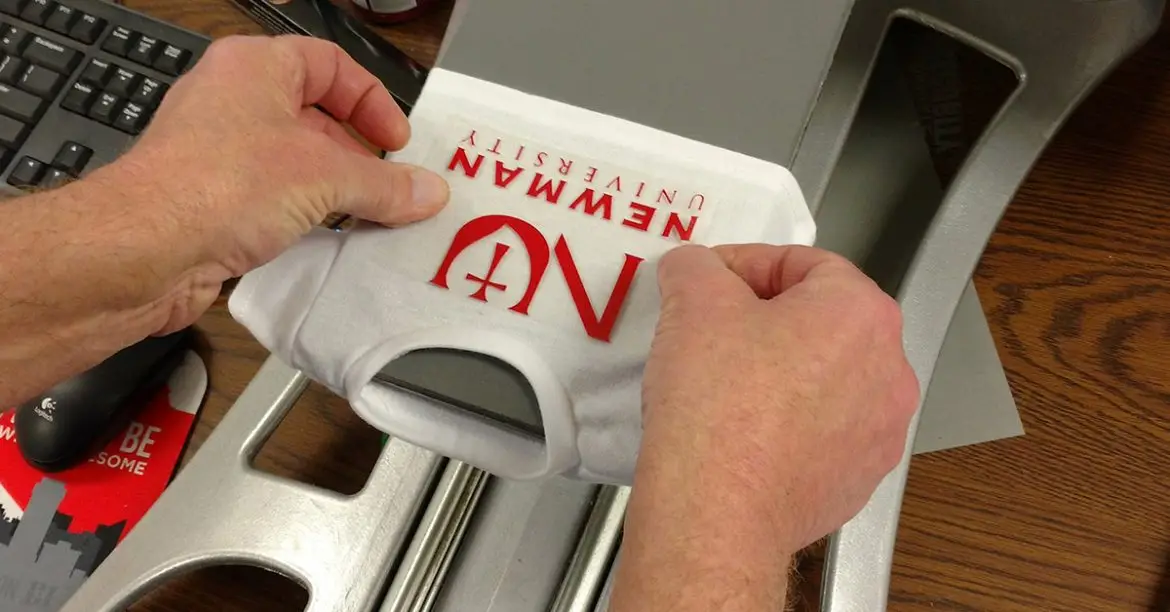
Heat press excels for names and numbers, one-offs or small batches, rush jobs, and specialty finishes, like metallic, glitter, reflective, flock. Photographic or gradient-heavy art is a great fit for DTF/printed transfers, especially on dark garments.
If your design is a large, multi-color front/back and you need volume, traditional
screen printing will usually be more cost-effective.
When Heat Press Is the Right Choice
- Personalization- Individual names, numbers, and short-run roster changes.
- Special Effects- Metallic, glitter, holographic, reflective, flock, stretch vinyl.
- Small Orders- Limited quantities where screen setup would outweigh the budget.
- Fast Turnarounds- Tournaments, events, and last-minute uniform updates.
- Complex Full-Color on Darks- DTF/printed transfers handle photos and gradients without heavy layering.
Design Guidelines for HTV (Heat Transfer Vinyl)
- Keep details bold- Minimum stroke 2–3 mm; avoid ultra-thin scripts and tiny islands that are hard to weed.
- Limit layers- More than 2–3 vinyl layers can feel heavy; for multi-color art, consider a printed transfer instead.
- Use knockouts- Knock out shapes rather than stacking to reduce bulk and improve breathability.
- Smart sizing- Left-chest logos and names look clean at 3–4 in wide; large fronts 9–11 in for adult tees.
- Choose finishes intentionally- Metallic/glitter for spirit wear; reflective for safety; stretch vinyl for performance fabrics.
Design Guidelines for DTF & Printed Transfers
- Full-color freedom- Photos, gradients, and tiny detail reproduce well without vinyl layering.
- Great on darks- White underbase is built into the transfer for accurate color on black/navy.
- Edge safety- Keep hairline edges to 1 mm+ to avoid lift on high-flex areas.
- Texture planning- Very large solids can feel heavier; add negative space or distress texture for comfort.
- Consistency- Perfect for reorders, color stays consistent without re-burning screens.
Garments, Colors & Placements
Heat press methods work on cotton, blends, and many performance fabrics. For high-stretch garments, use stretch-friendly films or DTF.
Popular placements include left chest, sleeve, yoke, cap fronts, and jersey backs. For all-over looks or very large volumes,
screen printing or cut-and-sew workflows may be better.
Need help selecting blanks? Explore our Apparel Decoration overview or ask
U.S. Logo for recommendations.
How It Compares to Screen Printing & Embroidery
- vs. Screen Printing- Heat press wins at small runs, personalization, and effects; screen print wins at bulk and big, multi-color graphics.
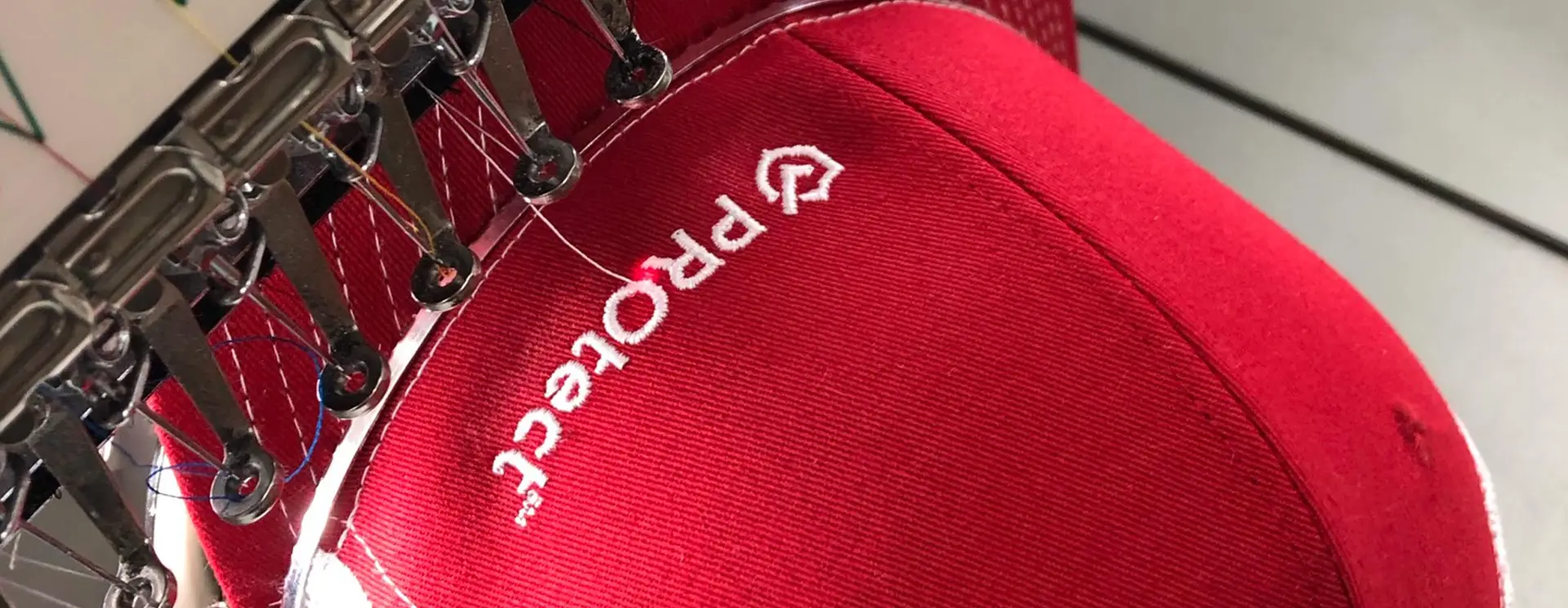
- vs. Embroidery- Heat press handles photos and large artwork on tees; embroidery delivers a premium stitched logo for polos, hats, and jackets.
For brand rollouts across apparel and vehicles, pair heat press or screen print with
Vehicle Wraps from U.S. Logo.
Cost & Turnaround Considerations
Pricing depends on film type, standard, specialty, DTF, image size, and order quantity. Heat press avoids screen setup costs and is efficient for mixed rosters or frequent changes.
For large, repeating orders, screen printing usually lowers the per-piece price.
Share your art and quantity, U.S. Logo will recommend the best method and quote options.
FAQ
How long does a heat pressed design last?
With quality films/transfers and proper care (wash cold, tumble low, avoid bleach), many heat pressed designs hold up for dozens of wash cycles.
Can you apply heat press on performance fabrics?
Yes, choose stretch/low-temp films or DTF transfers. We adjust press time/temp to protect the fabric.
Is heat press good for metallic or glitter effects?
Absolutely. Specialty HTV delivers eye-catching finishes that screen printing cannot easily replicate.
What art should I avoid for HTV?
Ultra-thin lines, micro text, and heavy multi-layer stacks. Use printed transfers or simplify art for best results.
Do you help prepare my file?
Yes. U.S. Logo can clean up art, set cut lines, or convert to a DTF-ready transfer.